Seven-year outcomes of coronary BVS

Original Research

Feb 25
Seven-year outcomes of coronary BVS
Pieter C. Smits, Robert-Jan van Geuns, et al.
The COMPARE-ABSORB trial found that bioresorbable vascular scaffolds (BVS) did not show superiority over everolimus-eluting stents (EES) in terms of target lesion failure at 7-year follow-up, despite a dedicated implantation protocol for BVS.

letter to the editor

Feb 27
Reply: Interpreting routine BEV post-dilatation
Ali Husain, John G. Webb, et al.
This content discusses the potential benefits and considerations of the double-tap strategy in transcatheter heart valve implantation, suggesting it may be most beneficial in certain patient populations.
free

letter to the editor

Feb 27
Letter: Interpreting routine BEV post-dilatation
Matteo Sturla, Azeem Latib, et al.
The study by Husain et al. examined the need for routine post-dilatation in TAVI procedures, finding that a tailored approach may be reasonable with little impact on adverse events.
free

Original Research

Feb 23
Aspirin discontinuation timing in ACS
Jung-Hee Lee, Young Jin Youn, et al.
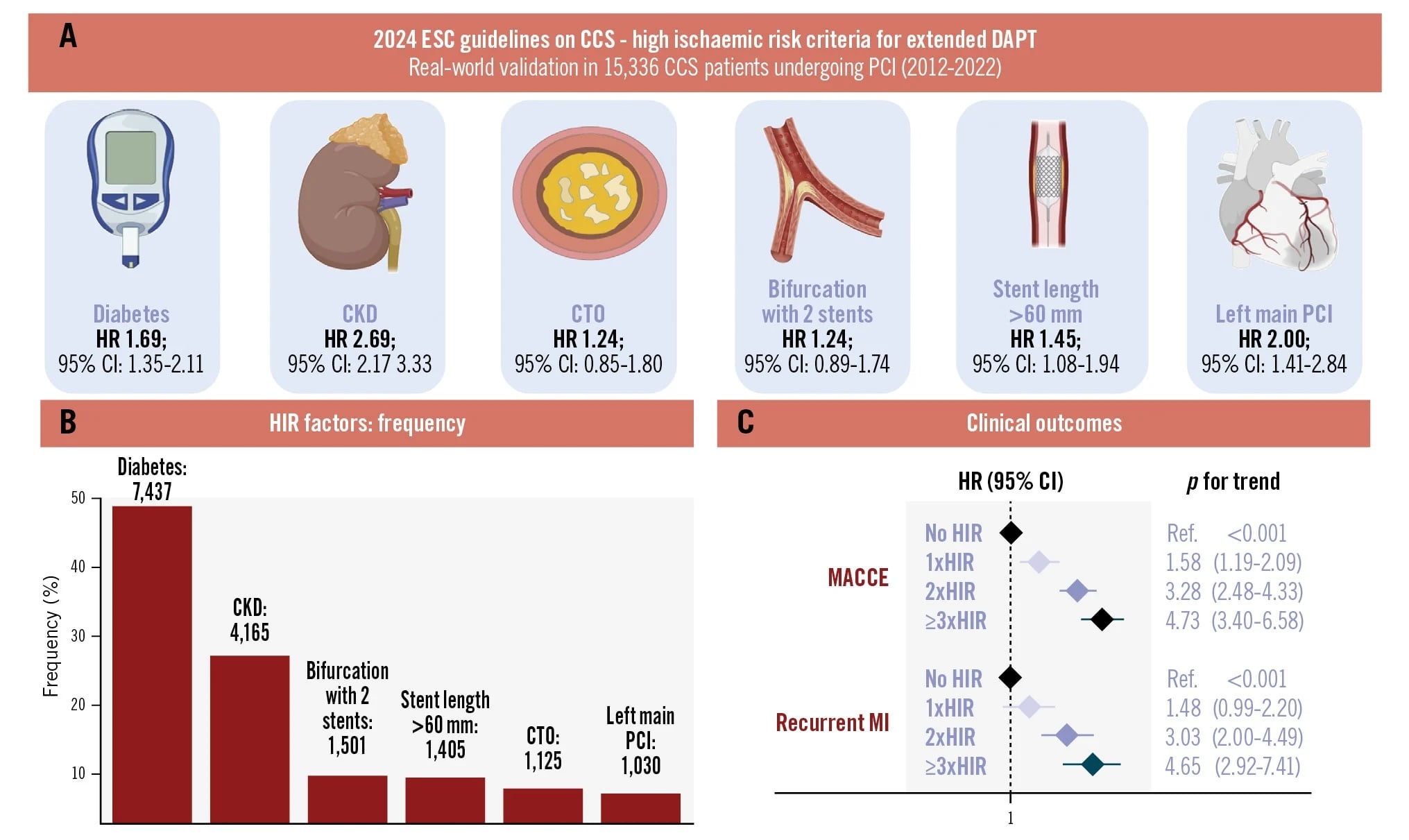
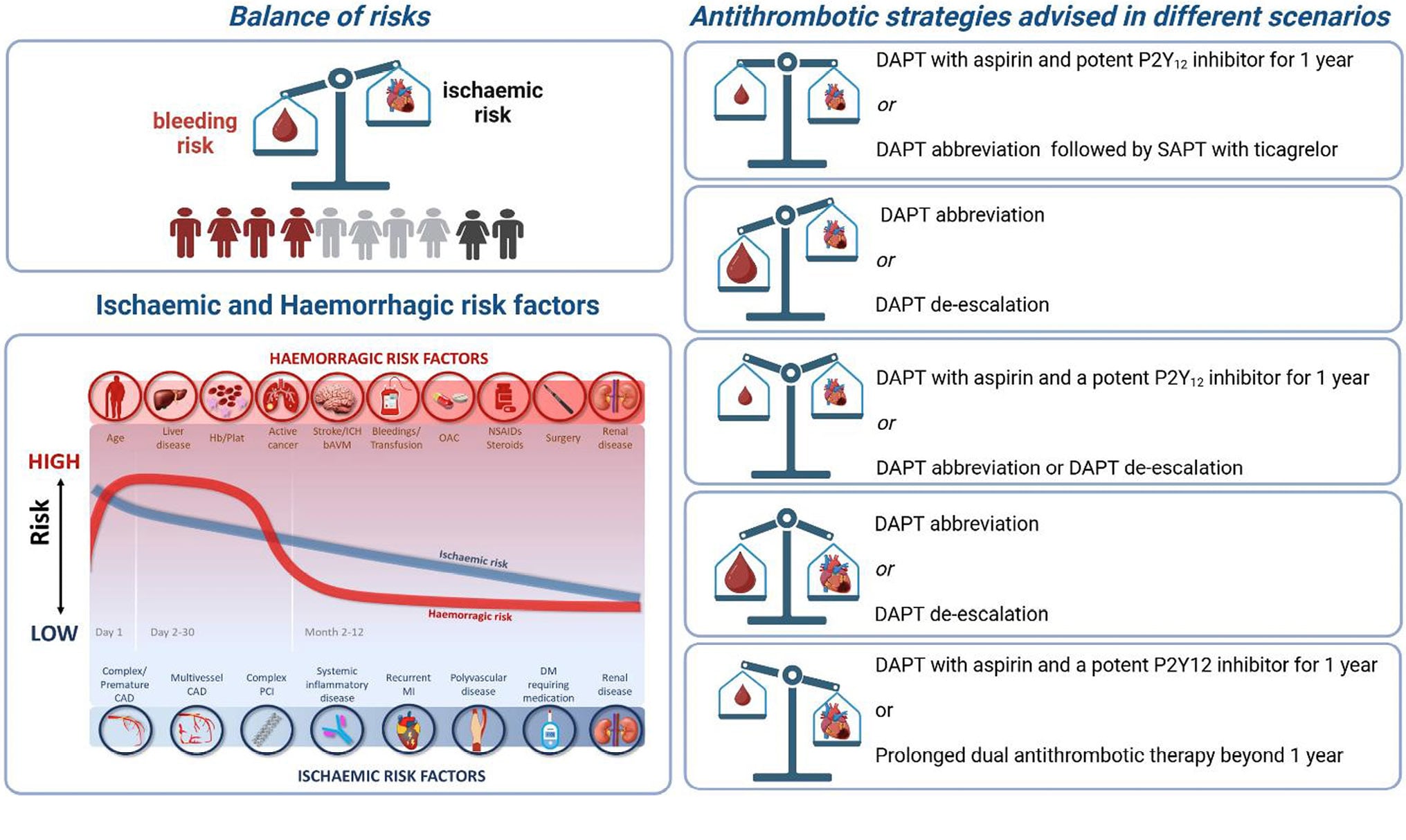
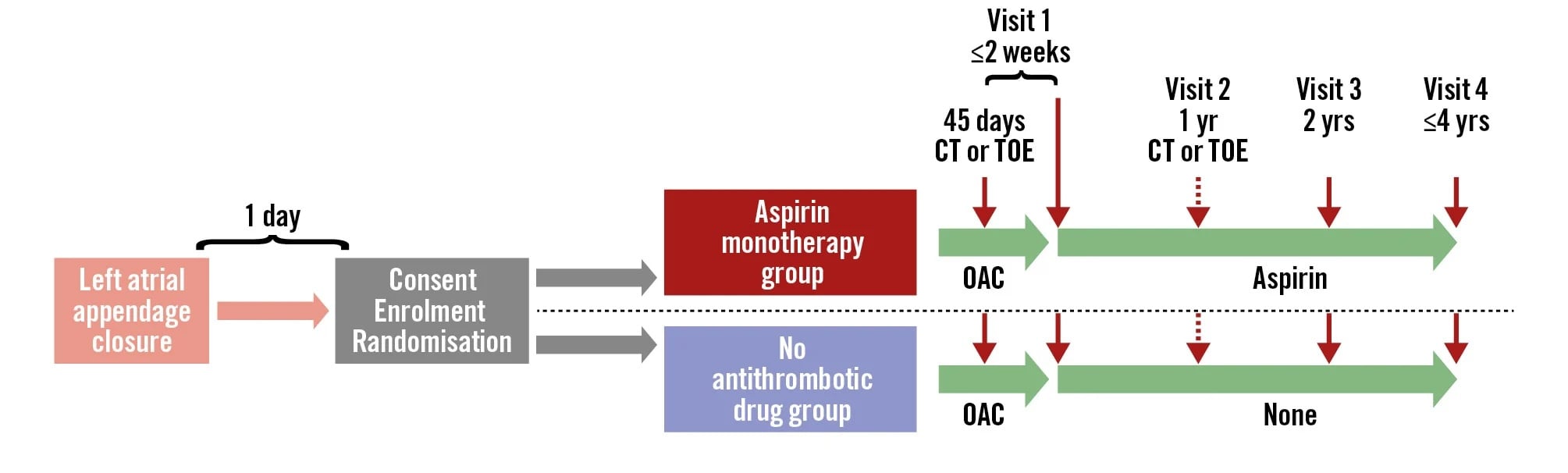
This study found that aspirin discontinuation within 1 month, followed by ticagrelor monotherapy, improved net clinical outcomes compared to 3-month discontinuation in patients with acute coronary syndrome undergoing percutaneous coronary intervention, primarily by reducing major bleeding without increasing ischemic risk.
Aspirin discontinuation timing in ACS

Editorial

Feb 26
OMT and the “leave nothing behind” utopia
Joanna J. Wykrzykowska, Robin P. Kraak
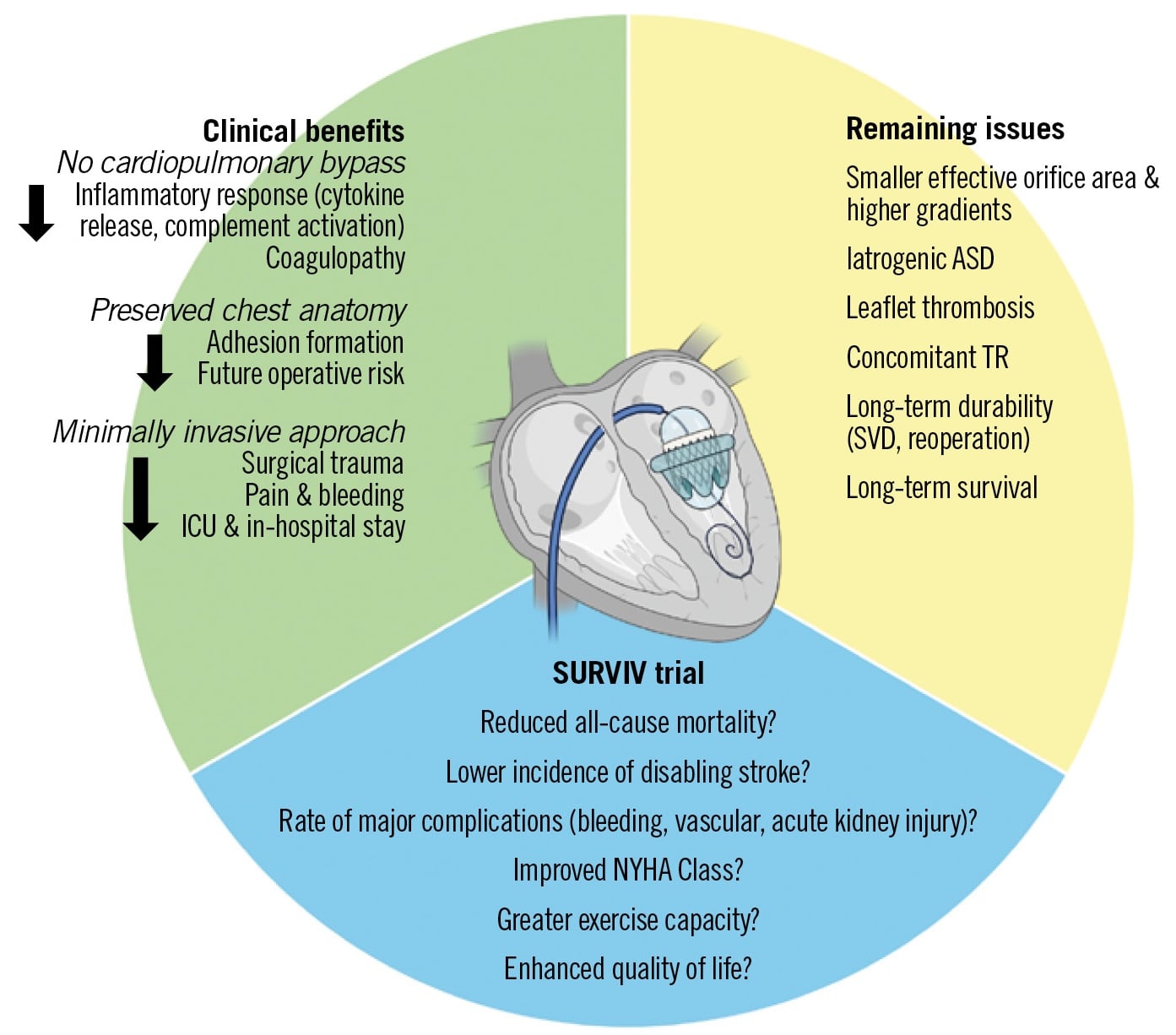
This article discusses the potential benefits of bioresorbable scaffolds (BRS) over permanent metallic stents in the treatment of coronary artery disease, and the need for future trials to determine the long-term efficacy of BRS versus drug-eluting balloons and optimal medical therapy.
free

Editorial

Feb 24
Aspirin discontinuation after ACS
Felice Gragnano, Paolo Calabrò
This study supports the use of early ticagrelor monotherapy after acute coronary syndromes, with the transition from dual antiplatelet therapy shown to be safe as early as a few weeks post-event.
free

State-of-the-Art

Feb 19
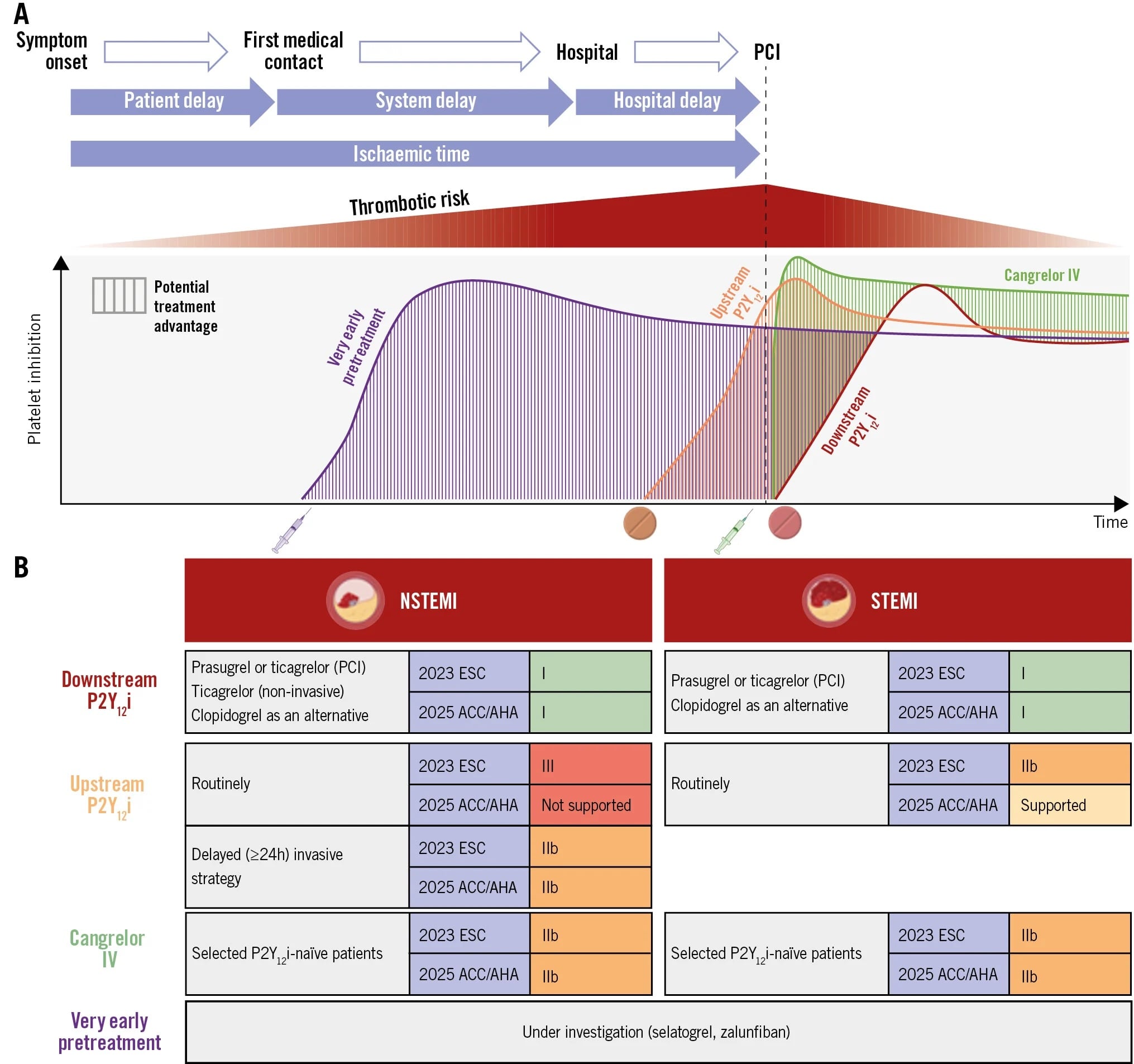
Adjunctive pharmacological strategies for residual risk
Asahi Oshima, Yoshinobu Onuma, et al.
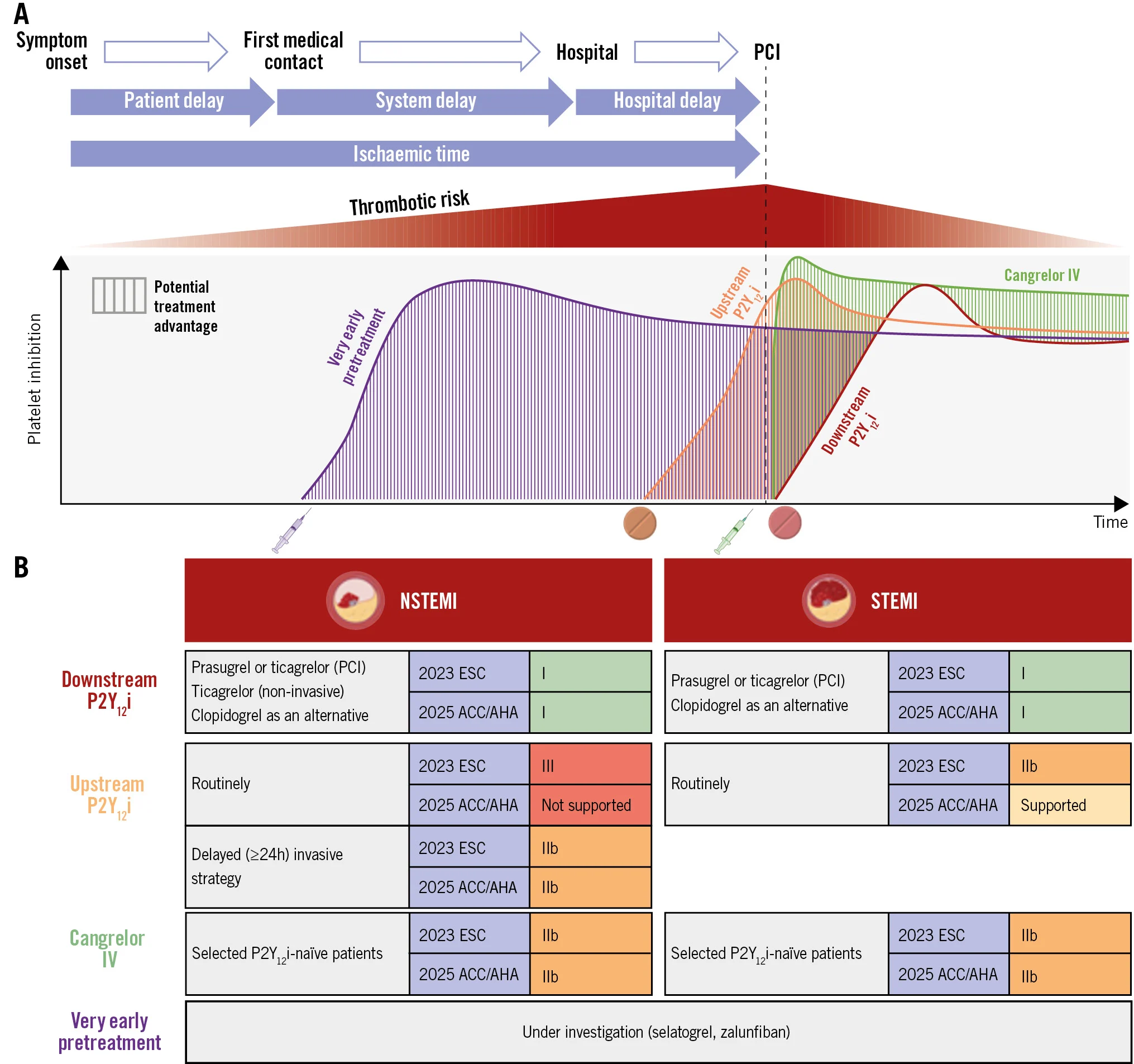
This review summarizes the current evidence on lipid-lowering therapies, including statins, ezetimibe, bempedoic acid, and PCSK9 inhibitors, as well as the role of anti-inflammatory interventions in the management of atherosclerotic cardiovascular disease.
Adjunctive pharmacological strategies for residual risk
free
Turning Point Podcast Listen now


Novel transcatheter spacer for tricuspid regurgitation

Flashlight

Feb 17
Novel transcatheter spacer for tricuspid regurgitation
Fabian Barbieri, Markus Reinthaler, et al.
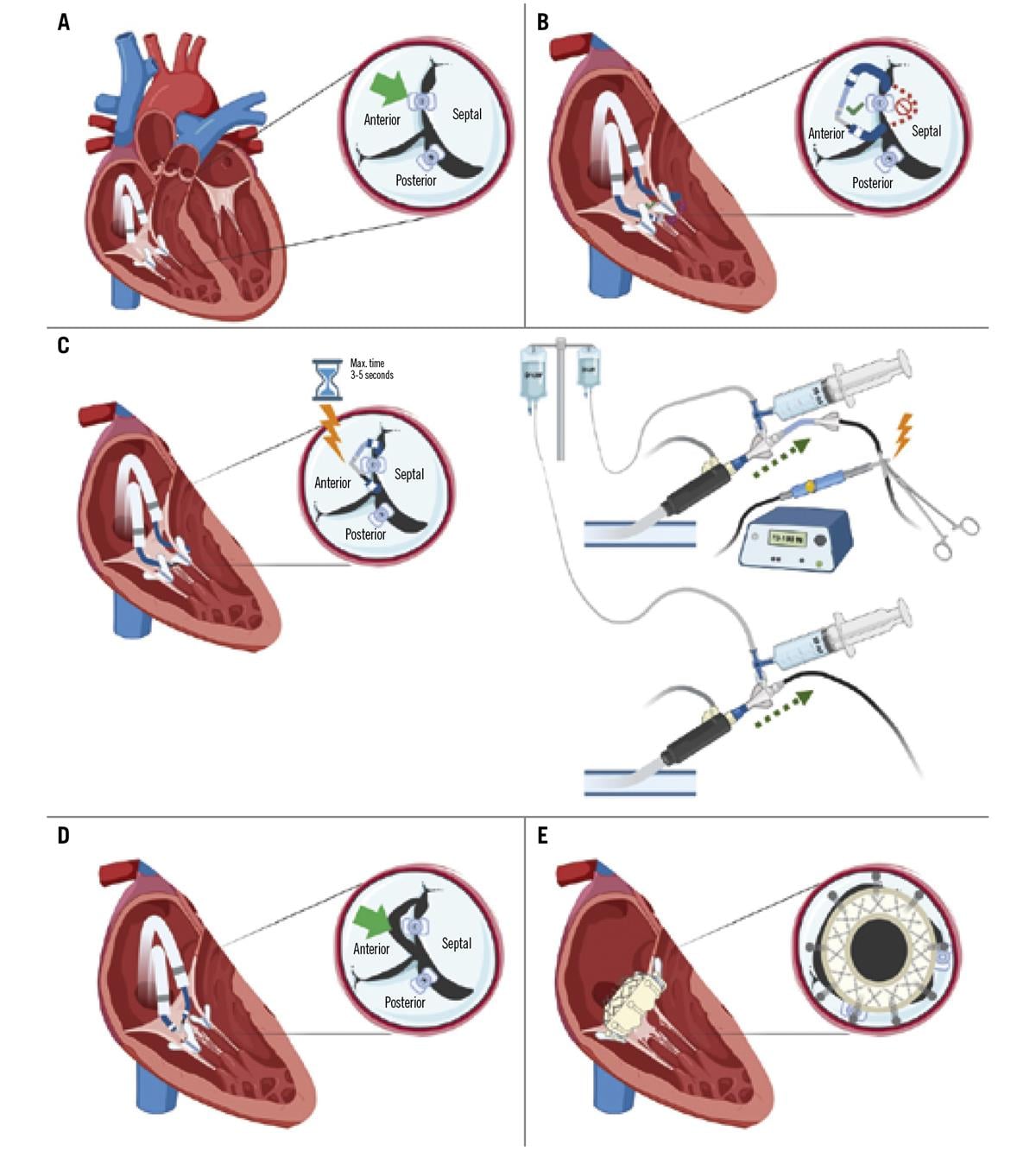
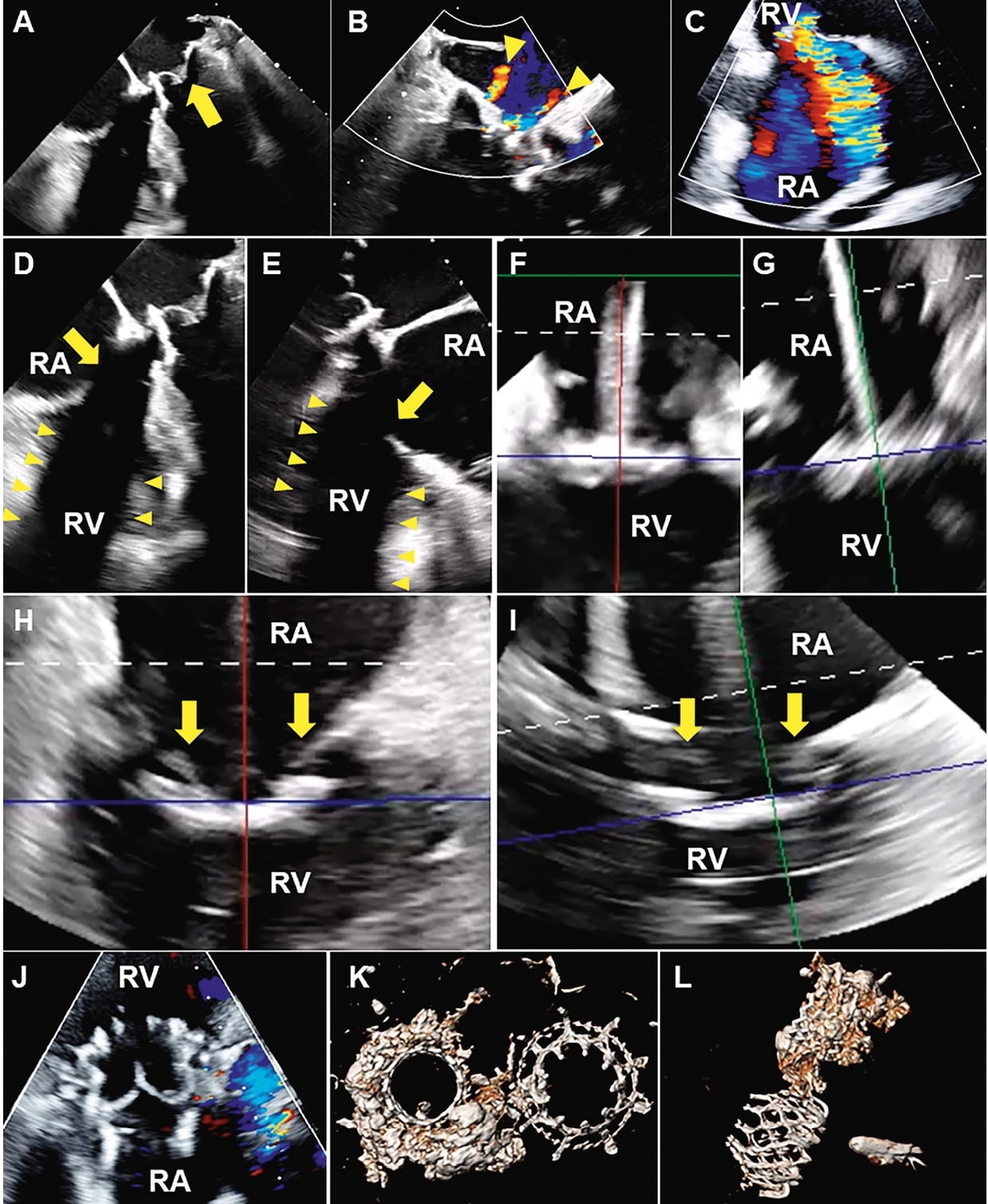
An 81-year-old male patient with severe, functional tricuspid regurgitation underwent a novel transcutaneous implantation of a spacer device (Pivot Extend), resulting in a reduction in TR severity and improvement in right ventricular function.
open access

Receive our newsletter
Subscribe banner

Consensus Document

Feb 19
Day-case PCI – a clinical consensus statement
Gabor G. Toth, Giulio Stefanini, et al.
This consensus statement provides guidance on patient selection, procedural considerations, and post-procedural management for day-case coronary procedures to facilitate their wide-scale adoption.
Day-case PCI – a clinical consensus statement
free

Original Research

Feb 18
PINNACLE-I trial
Stefan Verheye, Johan Bennett, et al.
The PINNACLE-I trial demonstrated the safety and effectiveness of the Hertz Contact Intravascular Lithotripsy (HC-IVL) device in facilitating and optimizing coronary stent implantation in patients with calcified lesions.
PINNACLE-I trial
open access

new issue

Feb 16
A new issue of EuroIntervention

A State-of-the-Art on adjunctive pharmacological strategies for residual risk; a consensus statement on day-case PCI; aspirin discontinuation timing in ACS; 7-year outcomes in COMPARE-ABSORB; the PINNACLE-I trial; a novel spacer for tricuspid regurgitation treatment; news from PCR; and more

A new issue of EuroIntervention

Viewpoint

Feb 16
PCR: a new era dawns
Bernard Prendergast

PCR announces a new era, with an expanded educational mission and commitment to advancing interventional cardiology through education, research, and innovation under a new leadership team.

free

Research Correspondence

Feb 13
DFA access compression in lower limb angioplasty
Róbert Bellavics, Zoltan Ruzsa, et al.
This study compared the safety and efficacy of two closure devices, StatSeal and TR Band, for distal foot artery access site closure in 150 patients undergoing lower-limb endovascular interventions. Both devices showed low access site complication rates.
DFA access compression in lower limb angioplasty

Original Research

Feb 11
Intrepid transapical TMVR 5-year outcomes
Gilbert H.L. Tang, Michael J. Reardon, et al.
This single-arm study evaluated the 5-year outcomes of the early-generation Intrepid transapical transcatheter mitral valve replacement system in high-risk patients with symptomatic ≥moderate-severe mitral regurgitation, observing sustained mitral regurgitation reduction and durable valve performance among survivors.
Intrepid transapical TMVR 5-year outcomes

PCR
Impact factor: 9.5
2024 Journal Citation Reports®
Science Edition (Clarivate Analytics, 2025)
Online ISSN 1969-6213 - Print ISSN 1774-024X
© 2005-2026 Europa Group - All rights reserved